Food-handling operations along the high-density dining corridors of South End, NoDa, and Plaza Midwood face constant biosecurity challenges due to shared walls, historic plumbing infrastructure, and heavy organic waste…
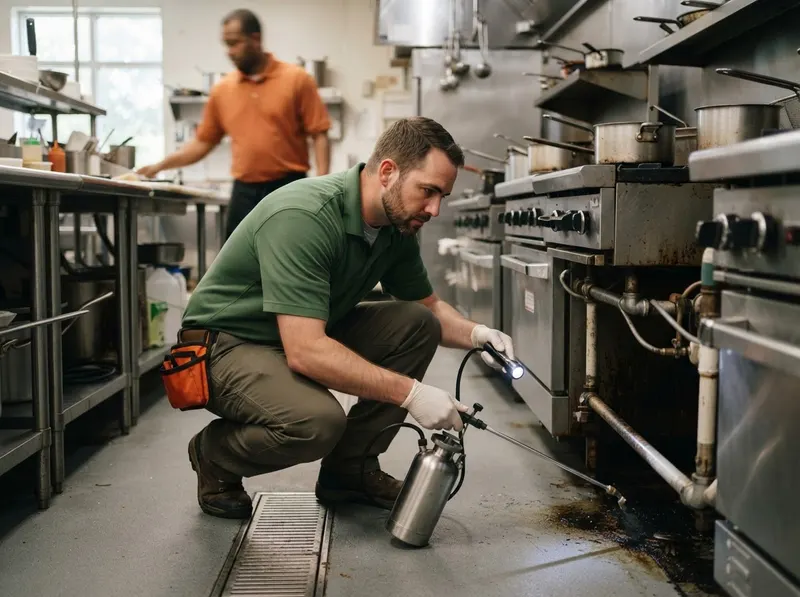
Food-handling operations along the high-density dining corridors of South End, NoDa, and Plaza Midwood face constant biosecurity challenges due to shared walls, historic plumbing infrastructure, and heavy organic waste buildup. Commercial restaurant and food-service sanitation defense moves beyond superficial surface spraying by targeting the biological reservoirs where pests breed. Standard chemical applications fail in commercial kitchens because heat from dish machines, industrial fryers, and floor degreasers rapidly breaks down synthetic chemical residues within 48 to 72 hours. In contrast, comprehensive sanitation defense integrates biological foam digestants into floor troughs, structural silicone seals around stainless steel wall joints, and non-volatile baits positioned outside immediate prep surfaces. This structural approach protects kitchen staff and patron safety while keeping critical food surfaces free of harsh chemical aerosols.
Operations based in converted brick buildings across Dilworth or Elizabeth frequently suffer from unseen subterranean breaches around aging sewer tie-ins, whereas newer developments in Ballantyne and University City typically face pest migration through dock seals and utility penetrations. A facility manager must weigh routine surface maintenance against full-system mechanical exclusion. Routine surface treatments offer lower initial labor, but biological drain foam combined with copper mesh physical exclusions eliminates the persistent moisture and anaerobic yeast layers that sustain reproducing fly and roach colonies. For high-volume kitchens near Little Sugar Creek Greenway, managing surrounding outdoor moisture gradients is equally vital to preventing outdoor rodents from entering dry storage rooms.
1. Initial sanitation audit: A certified inspector maps floor sinks, grease traps, compressor condensation trays, and exterior refuse perimeters to identify sanitation score risks under North Carolina inspection rubrics.
2. Biocatalytic deep line purging: Technicians apply active microbial foam into line drains and trench grates to break down accumulated fats, oils, and grease without pipe corrosion.
3. Mechanical structural barrier sealing: Entry gaps larger than 0.25 inches around walk-in motor conduits, gas lines, and beverage lines receive stainless steel wool backing and silicone sealant.
4. Precision bait matrix and monitoring: Tamper-resistant insect growth regulator stations and tamper-evident mechanical rodent enclosures are installed beneath preparation zones, mapped on a formal facility tracking grid.
5. Post-service regulatory documentation: A comprehensive logbook update lists applied formulations, target areas, structural deficits, and corrective maintenance directives required for health inspection clearances.
Every job gets a firm, written price after a free on-site visit.
Tell us about your commercial restaurant and food-service sanitation defense job in Charlotte and we'll send a clear, written quote, usually the same day.
 SafeHaven Pest Control